History of the rose in Lyon
The history of the rose in Lyon began in 1830. Generations of rose growers from Lyon have created over 3,000 varieties of roses.
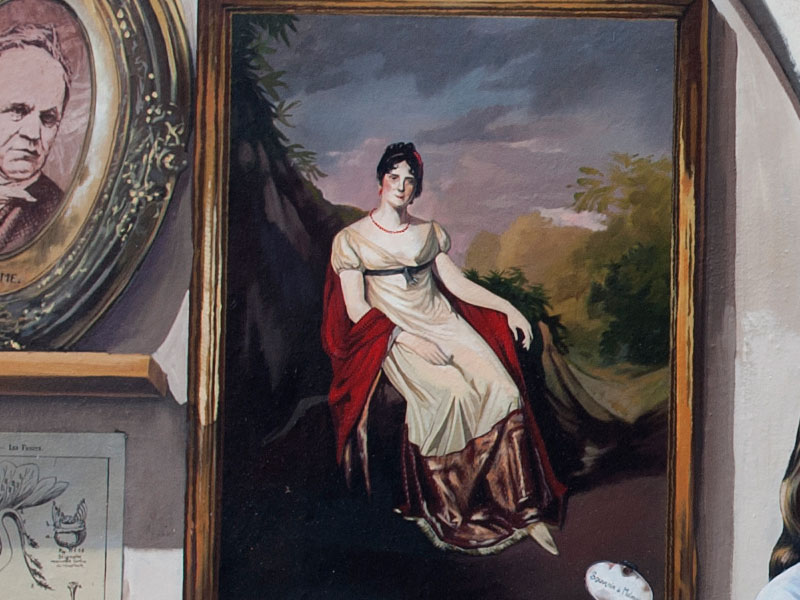
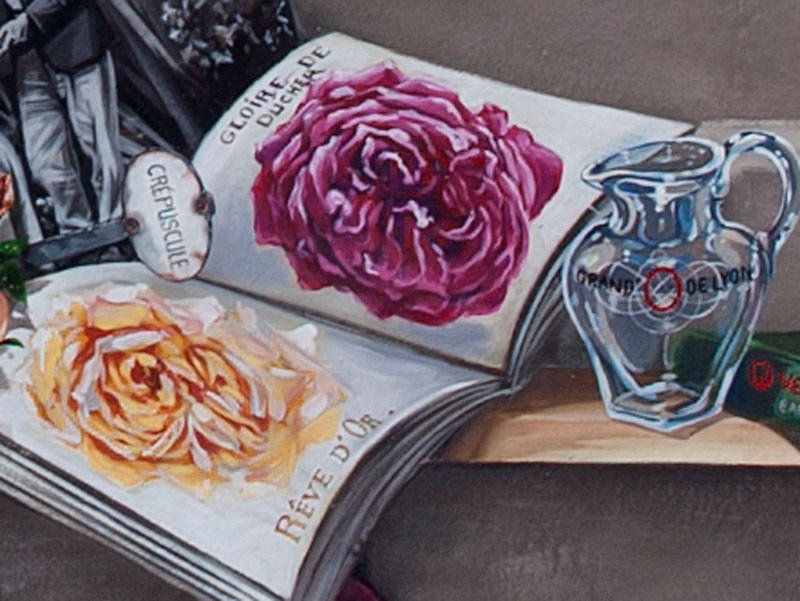
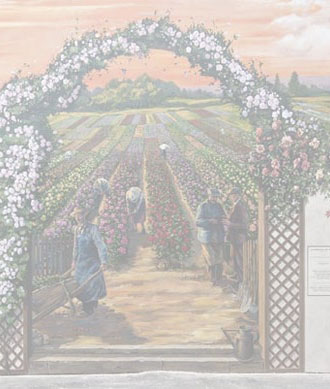
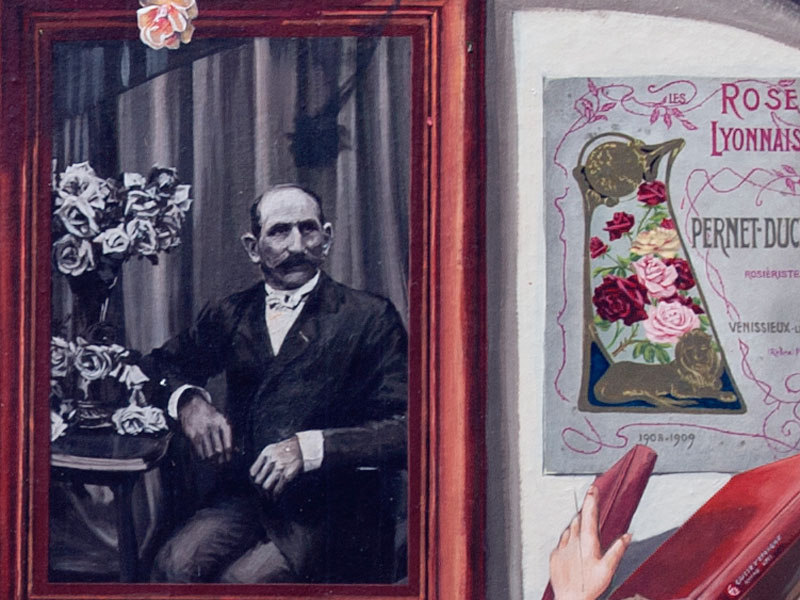
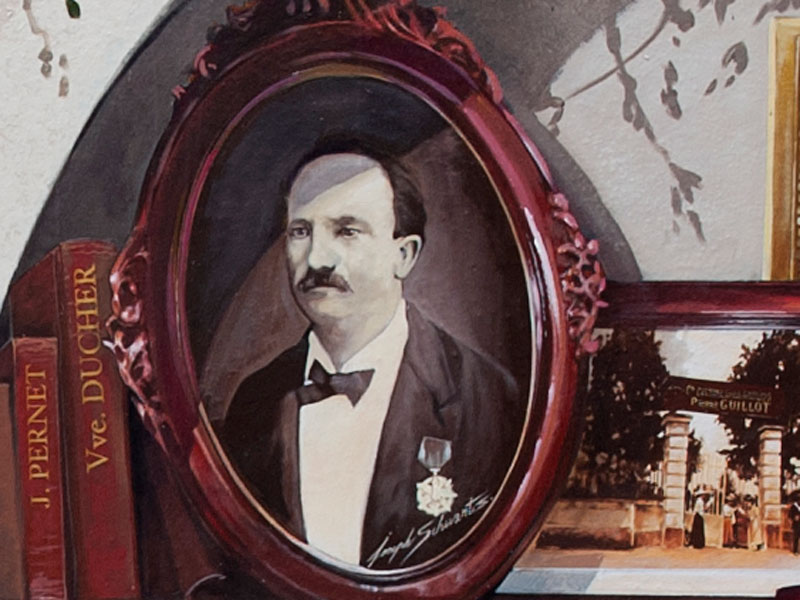
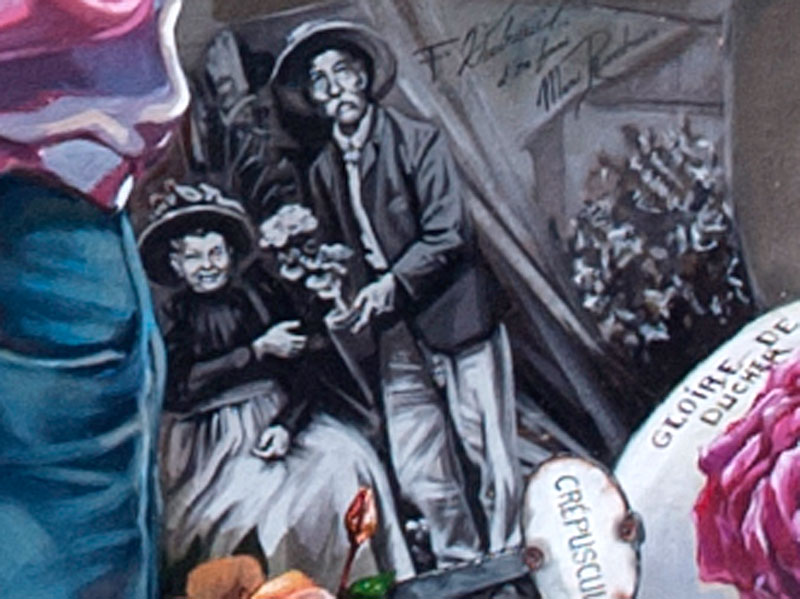
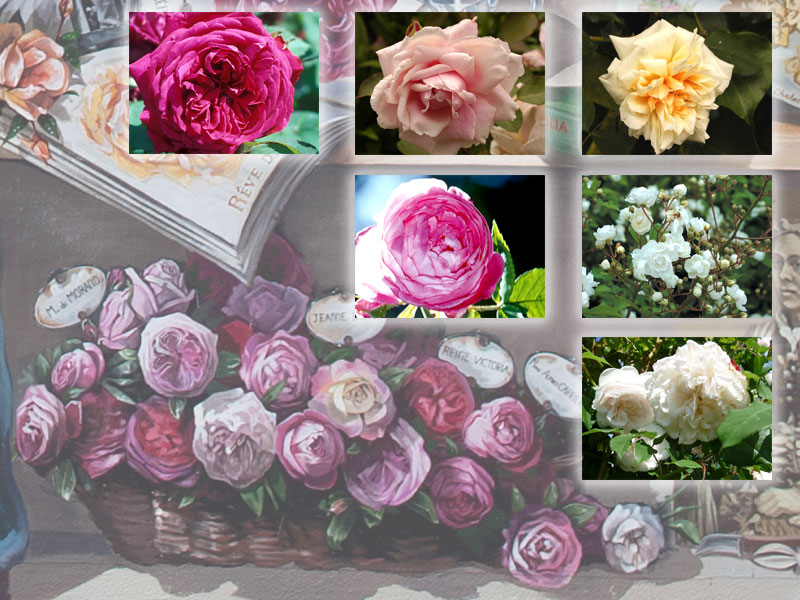
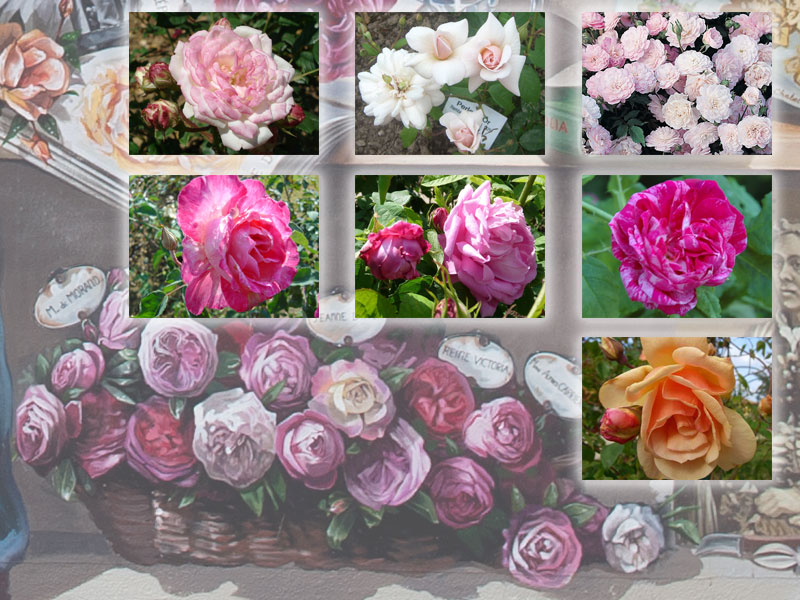
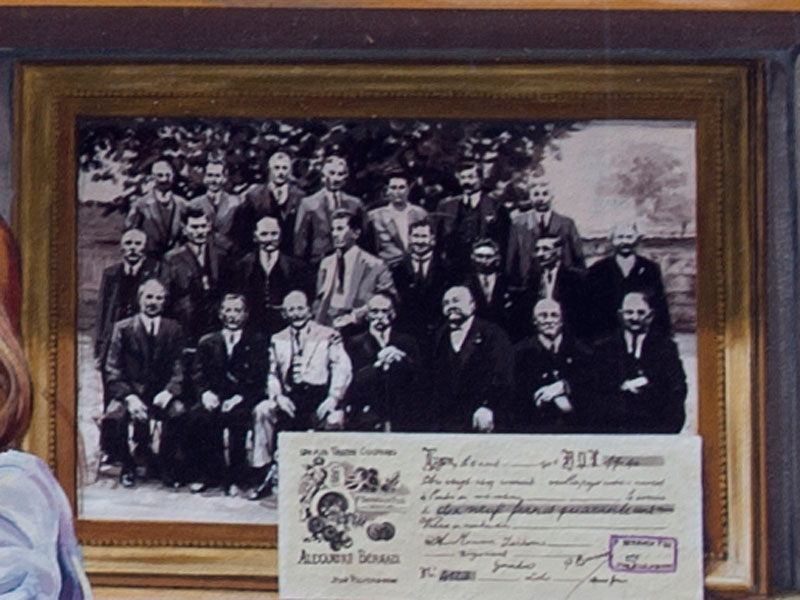
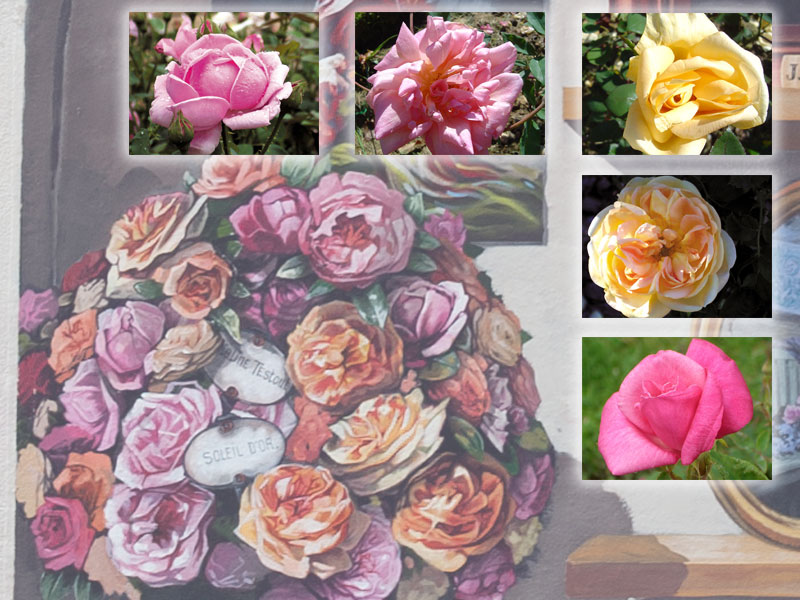
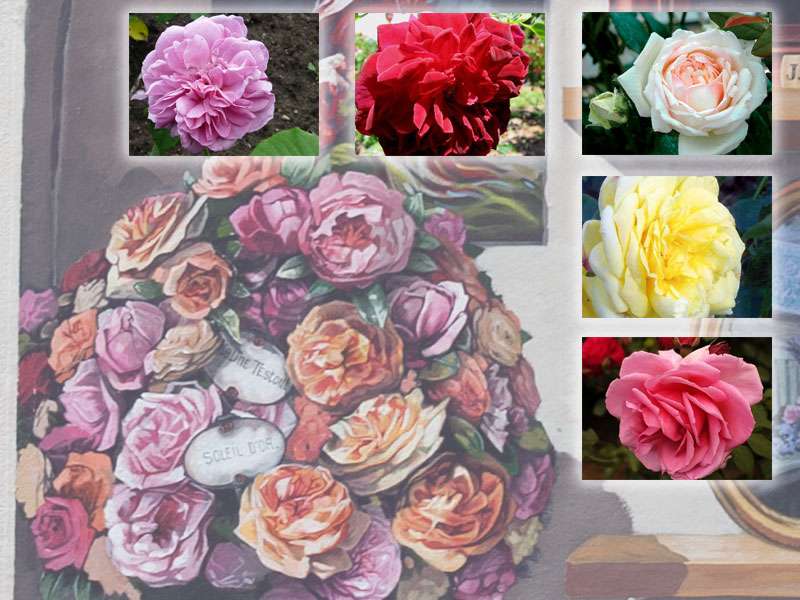
The Roses Anciennes en France associatio initiated the project of wall paintings to pay tribute to Lyon rose growers of the 19th century and actively collaborated with the muralists of CitéCréation who carried out the projects. The three arches at the bottom of the wall painting were designed as a historical library.
To learn more about the history of roses in Lyon, visit the History of the rose page on the Roses Anciennes en France website.
Former rose growers from Lyon gave rise to rose growers who still are active in the Lyon area.
The Roses Anciennes en France associatio initiated the project of wall paintings to pay tribute to Lyon rose growers of the 19th century and actively collaborated with the muralists of CitéCréation who carried out the projects. The three arches at the bottom of the wall painting were designed as a historical library.
 |
|
|
 |
|
 |
The forerunners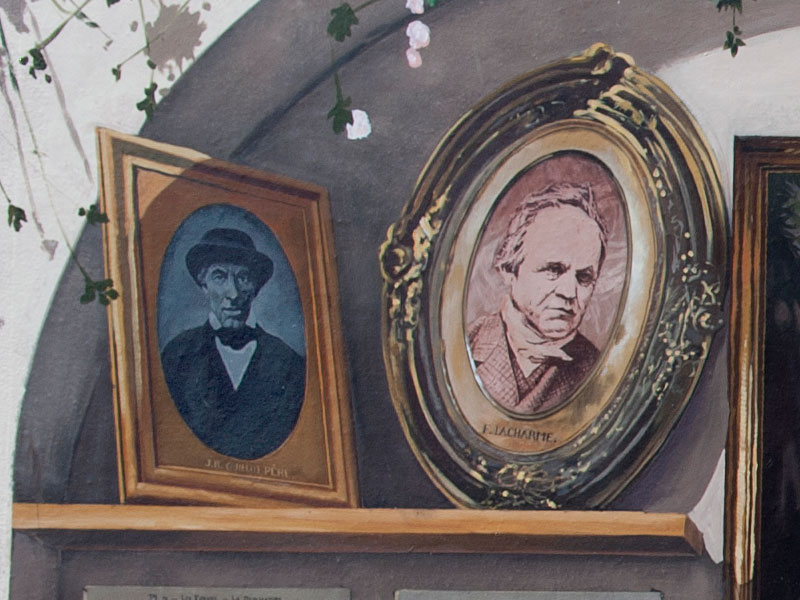

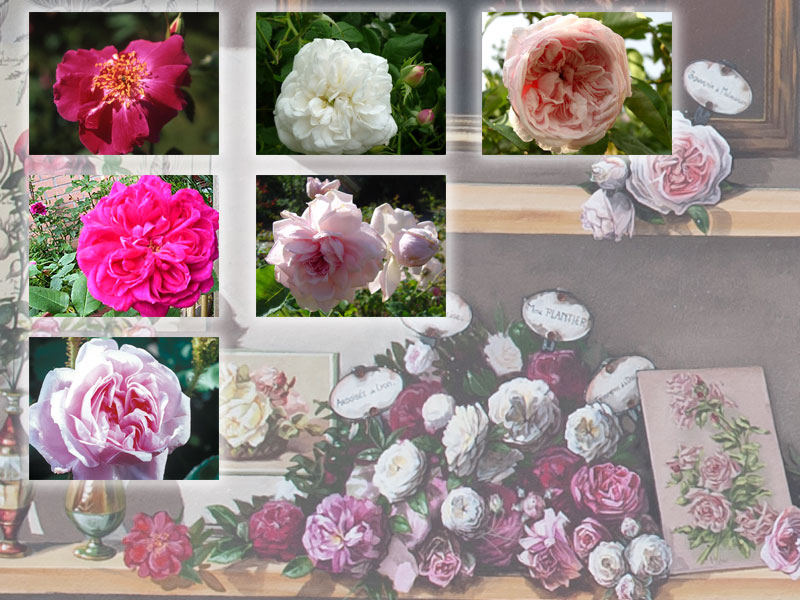
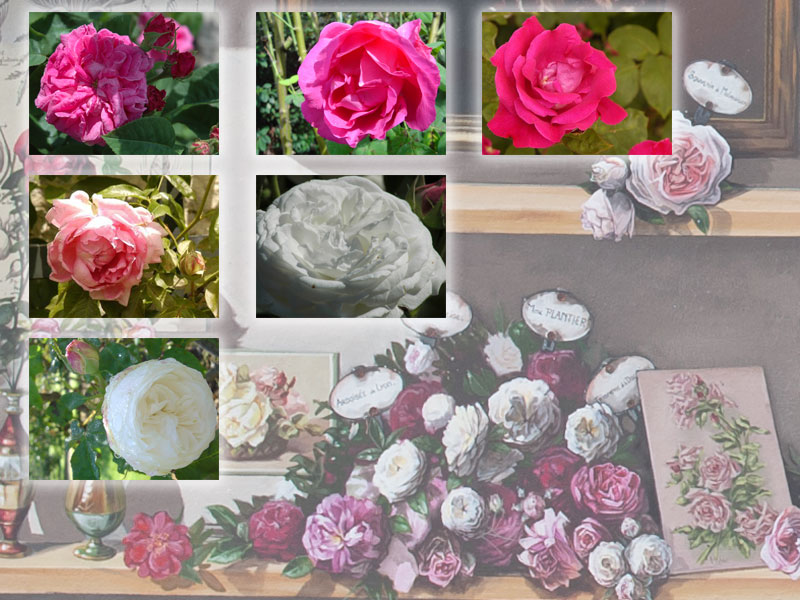
|
The Golden Age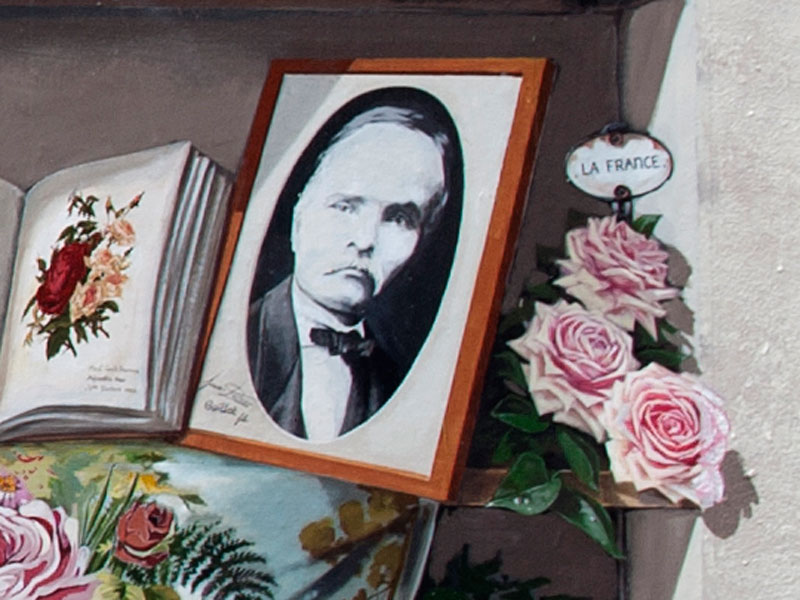
|
The apogee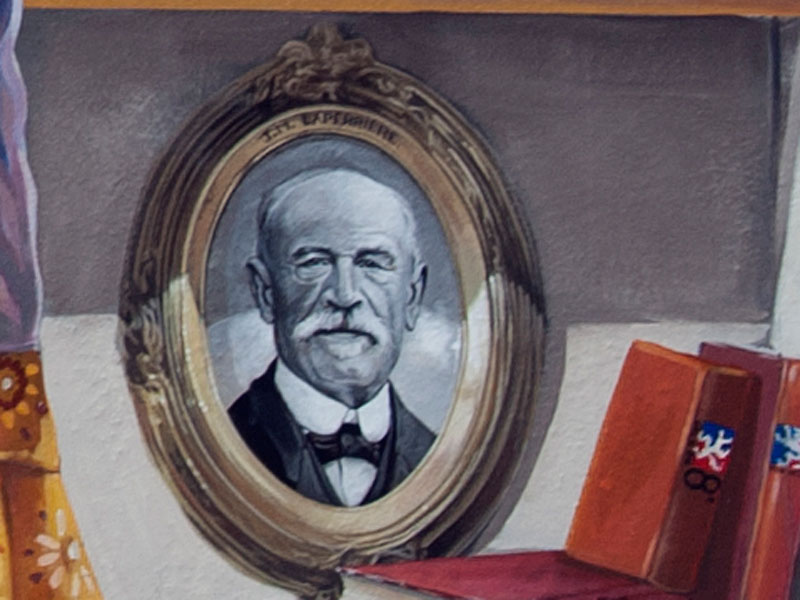
|
Former rose growers from Lyon gave rise to rose growers who still are active in the Lyon area.
Contributions to rose production techniques
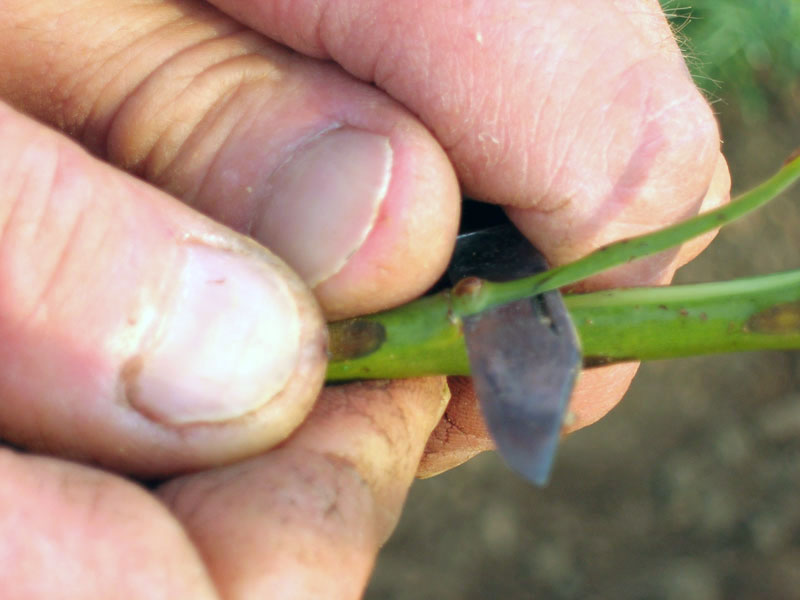
A major innovation can be attributed to horticulturists from Lyon:
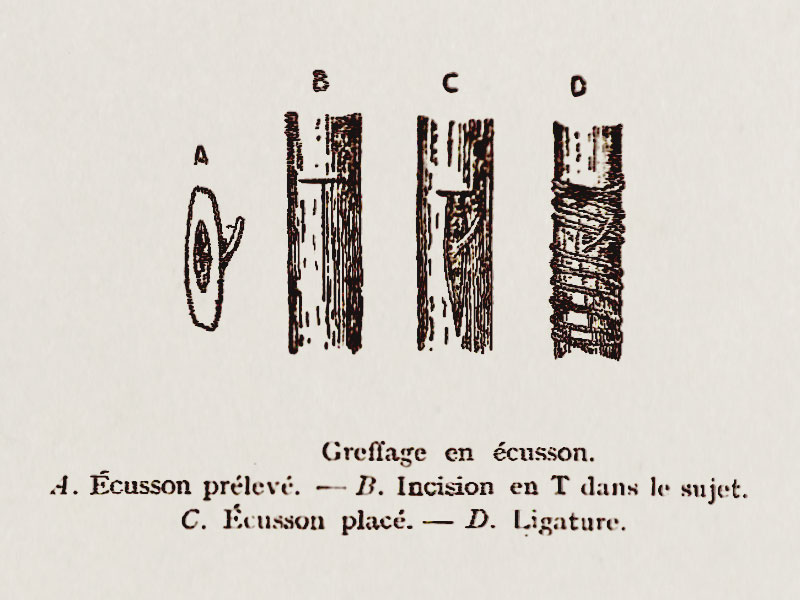
Rose grafting Jean-Baptiste Guillot |
|
Major rose exhibitions in Lyon
In the 19th century, many horticulturists from Lyon invented and experimented. Their dynamism led to the creation of societies which organized numerous horticultural exhibitions; they rapidly met with great success. This will lead to the creation of the Société Française des Rosiéristes in 1896.
The Practical Horticultural Society of the Rhône was created in 1844. On the list of members, we find the names of J.B. Guillot, horticultural florist, rue Tourville at Guillotière and F. Lacharme, horticulturist, rue de la Croix at Guillotière. The society organized its first exhibition in September 1844. It would be the first of a long series.
Regularly bringing together horticulturists and knowledgeable amateurs, these exhibitions played a key role in the development and spread of Lyon horticulture. In May 1846, an exhibition was specially dedicated to roses. Twenty-five years after the creation of the society, thirty-six exhibitions presenting the novelties obtained had been organized! Hundreds of new varieties of flowers, fruits and vegetables were created using the know-how of Lyon horticulturists.
Lyon became the world capital of roses. It is estimated that the region gave birth to 60% of roses worldwide. In just one century, 2,000 new varieties had been developed. It is not by accident that the French Rose Society, founded in 1896, is headquartered in Lyon.
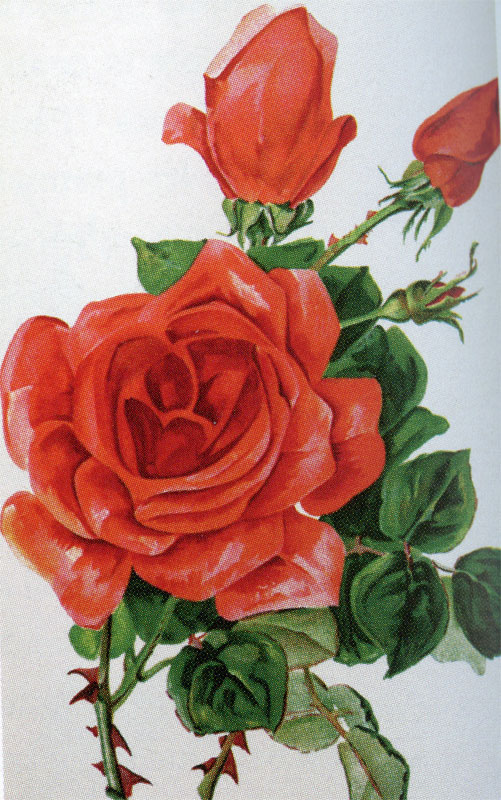
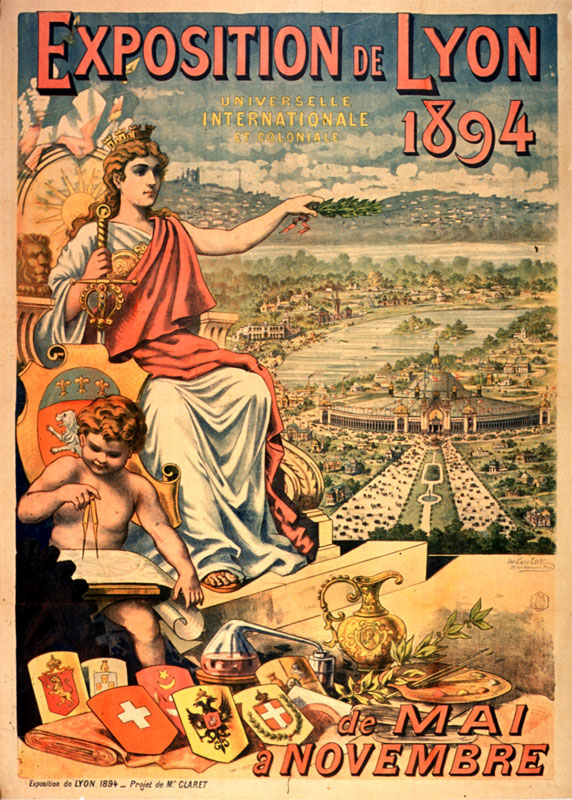
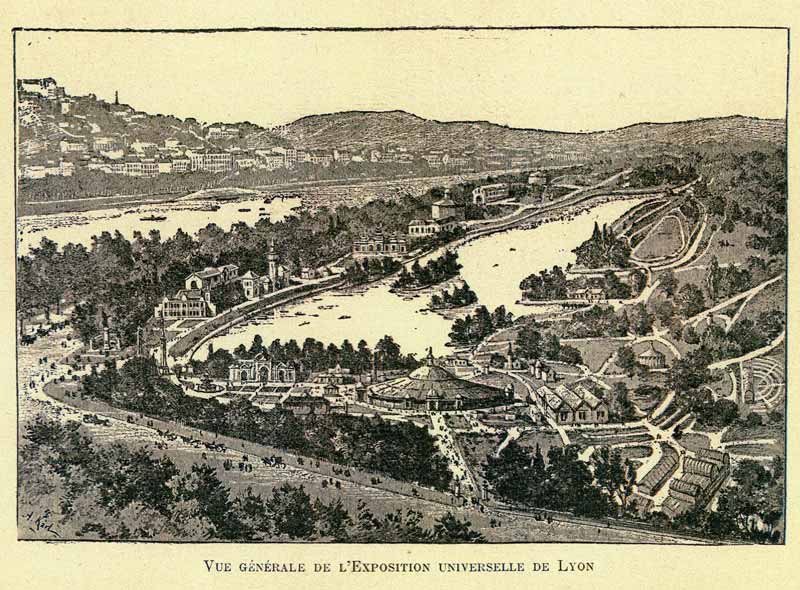
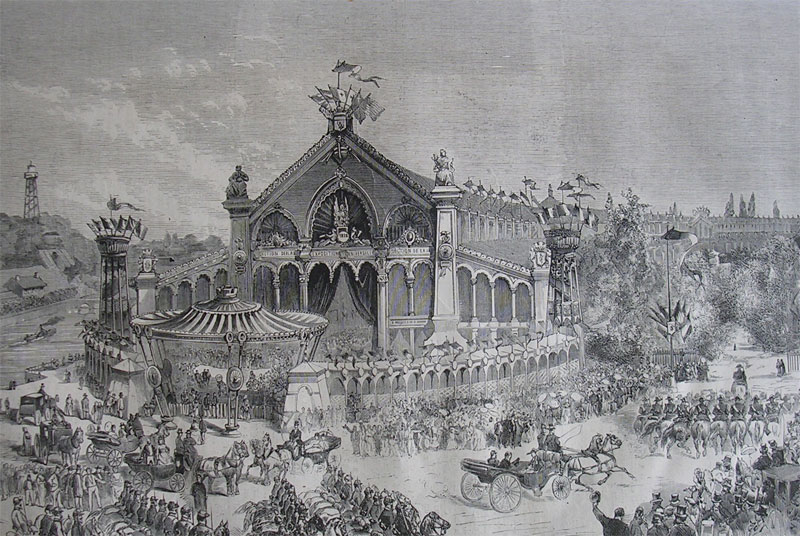
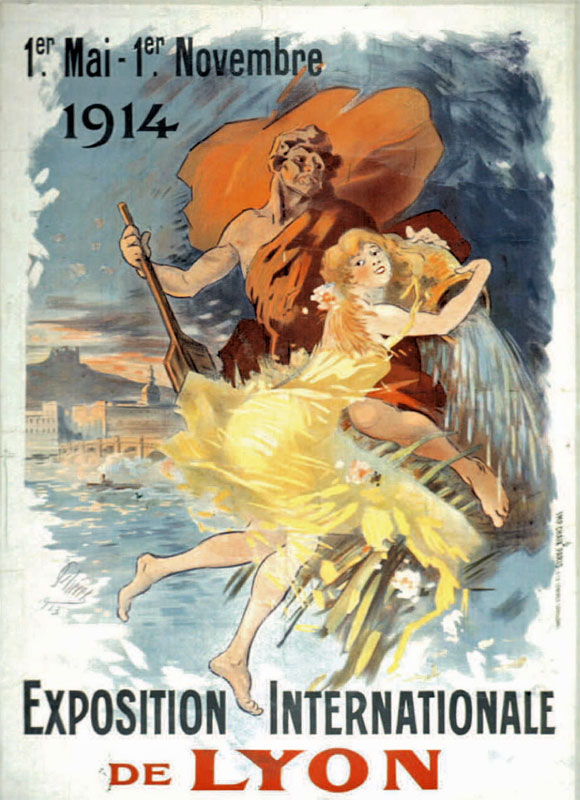
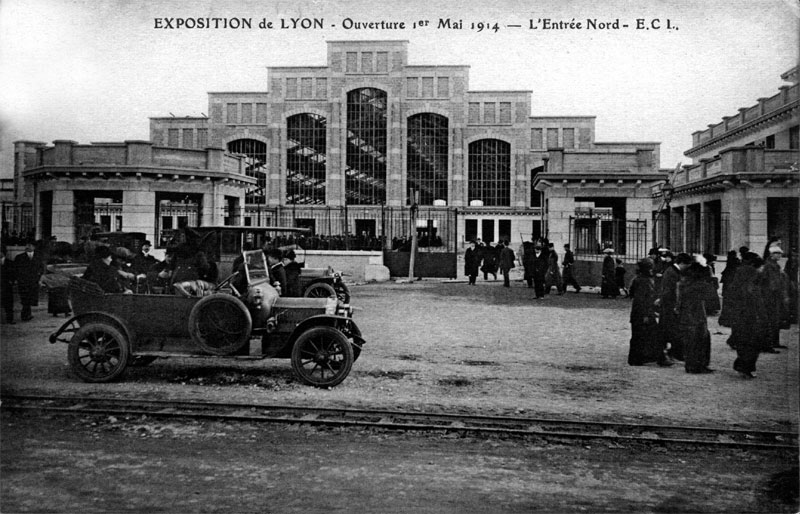
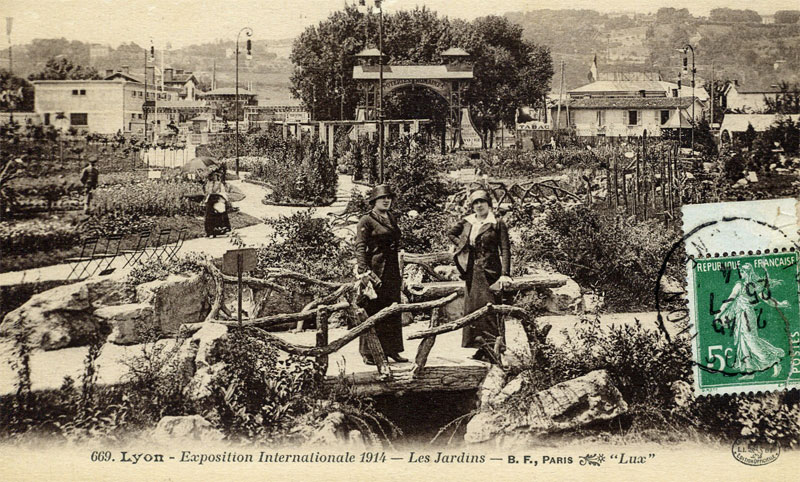
 The reputation of creations from Lyon was such that flowers, fruits and vegetables occupied an important place in the three world fairs organized in Lyon in 1872, 1894 and 1914, a date which marks the apogee of horticulture in Lyon. These events gathered together all the horticultural specialties of Lyon. The first two exhibitions were held in Tête d'Or Park. For the 1872 World Fair, 150 varieties of roses were presented, in particular by Lacharme, Ducher and Guillot.
The 1894 exhibition coincided with the 50th anniversary of the Practical Horticultural Society of the Rhône. The rose garden featured 12,000 rose bushes and 3,000 different varieties! It was inaugurated by the President of the French Republic, Sadi Carnot. This remarkable day unfortunately ended on a tragic note, with the assassination of Sadi Carnot by an Italian anarchist as he was leaving the Stock Exchange. Pernet-Ducher would later name one of his creations 'Souvenir du Président Carnot'.
For the 1914 World Fair, we note the names of Guillot, Laperrière, Pernet-Ducher, Richardier and Schwartz on the list of exhibitors and prize-winners. The 'Madame Edouard Herriot' rose dedicated by Pernet-Ducher to the wife of the mayor of Lyon was presented in the rose garden.
Hide the major rose exhibitions
Regularly bringing together horticulturists and knowledgeable amateurs, these exhibitions played a key role in the development and spread of Lyon horticulture. In May 1846, an exhibition was specially dedicated to roses. Twenty-five years after the creation of the society, thirty-six exhibitions presenting the novelties obtained had been organized! Hundreds of new varieties of flowers, fruits and vegetables were created using the know-how of Lyon horticulturists.
Lyon became the world capital of roses. It is estimated that the region gave birth to 60% of roses worldwide. In just one century, 2,000 new varieties had been developed. It is not by accident that the French Rose Society, founded in 1896, is headquartered in Lyon.
 The reputation of creations from Lyon was such that flowers, fruits and vegetables occupied an important place in the three world fairs organized in Lyon in 1872, 1894 and 1914, a date which marks the apogee of horticulture in Lyon. These events gathered together all the horticultural specialties of Lyon. The first two exhibitions were held in Tête d'Or Park. For the 1872 World Fair, 150 varieties of roses were presented, in particular by Lacharme, Ducher and Guillot.
The 1894 exhibition coincided with the 50th anniversary of the Practical Horticultural Society of the Rhône. The rose garden featured 12,000 rose bushes and 3,000 different varieties! It was inaugurated by the President of the French Republic, Sadi Carnot. This remarkable day unfortunately ended on a tragic note, with the assassination of Sadi Carnot by an Italian anarchist as he was leaving the Stock Exchange. Pernet-Ducher would later name one of his creations 'Souvenir du Président Carnot'.
For the 1914 World Fair, we note the names of Guillot, Laperrière, Pernet-Ducher, Richardier and Schwartz on the list of exhibitors and prize-winners. The 'Madame Edouard Herriot' rose dedicated by Pernet-Ducher to the wife of the mayor of Lyon was presented in the rose garden.
|
|
|
|
|
|
Visit to the University Claude Bernard Lyon I Herbarium
With 4,400,000 specimens, the University Claude Bernard Lyon I Herbarium is ranked second among university herbariums worldwide. Attendees of the 17th World Convention of Rose Societies may visit this herbarium.
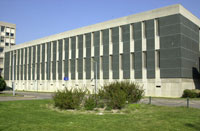
The University Claude Bernard Lyon I Herbarium is part of the collection of the Bioenvironmental and Health Research Federation. With 4,400,000 specimens, it is ranked second among university herbariums worldwide. Its international reference is LY.
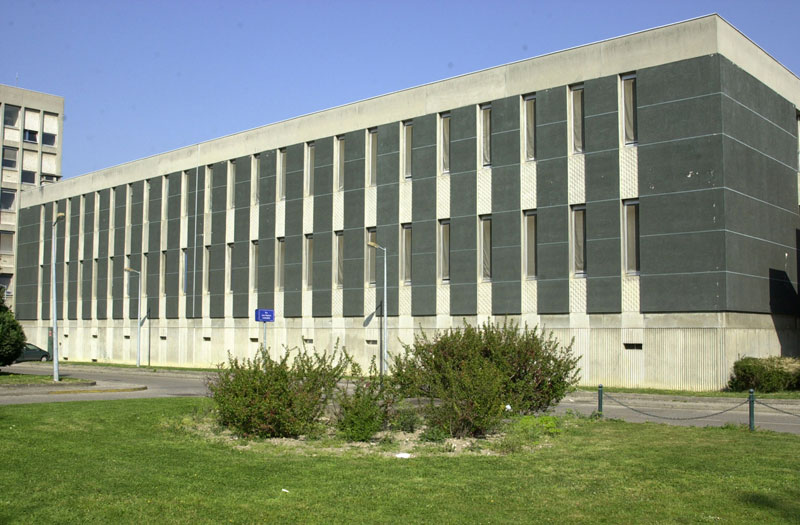
Located in a special 2,350-square-meter building over three levels, it includes: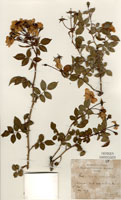
 In addition, the Herbarium features a collection of mushrooms (30,000 exsiccata) corresponding to the history of mycology at Lyon University.
In the context of the17th World Convention of Rose Societies, a two-hour visit for a group of 25 participants is possible.
Hide the visit to the University Claude Bernard Lyon I Herbarium
Located in a special 2,350-square-meter building over three levels, it includes:
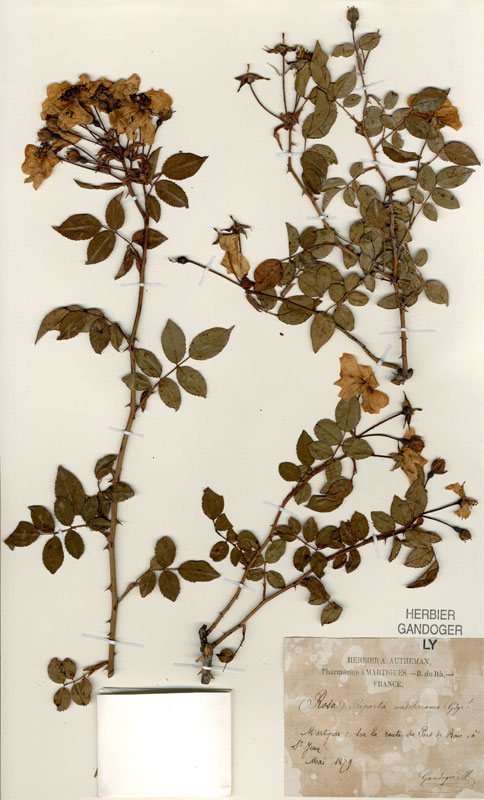
- Historical collections with, in addition to mainly regional collections, three major historical collections of the 19th century:
- The collection of Roland Bonaparte (Napoleon's great-nephew), with three million specimens. Featuring over half of the flowering plant species found in the world, the collection is organized in vertically arranged boxers like a library, giving it an original patrimonial character.
- The Michel Gandoger collection, with 800,000 specimens, including items from France, as well as Spain and Crete. In 1916, this author published his Conspectus dichotomus Rosarium, representing 235 boxes of Rosa. Around 15,000 gandogerons have been described and are being inventoried.
- The Alexis Jordan collection with 400,000 specimens, which is original because it is mainly comprised of experimental cultivars to demonstrate the validity of the notion of "Jordanon".
- The pedagogical collections are represented by nineteenth-century paintings of flowers from the Rhône-Alpes region. These 163 plant models were formerly used as a collection of plates for teaching botany.
- The museographical collections illustrate original plant productions (large fruits, seeds, vegetal fabrics, etc.).
 In addition, the Herbarium features a collection of mushrooms (30,000 exsiccata) corresponding to the history of mycology at Lyon University.
In the context of the17th World Convention of Rose Societies, a two-hour visit for a group of 25 participants is possible.
Hide the visit to the University Claude Bernard Lyon I Herbarium